Zambian Mining News The Premium Source of Information on The Zambian Mining Industry



Related Articles



LUSAKA — Zambia has attracted nearly $10 billion in mining investment commitments since 2021, yet the country’s copper output has expanded by just 90,000 metric tons over the same period, underscoring the formidable execution challenges facing Africa’s second-largest producer of the metal.
The gap between pledged capital and physical output presents a key hurdle for President Hakainde Hichilema, who has targeted tripling national production to 3 million metric tons annually by 2031 under the National Three Million Metric Tonnes Copper Production Strategy. Reaching that milestone will require sustained year-over-year output growth of roughly 22% from 2025 levels a pace analysts consider highly ambitious given energy deficits, regulatory delays, and long mine development lead times.
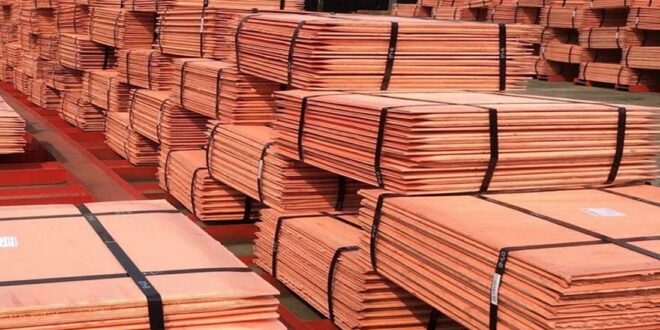
Zambia produced 890,346 metric tons of copper in 2025 an 8% year-over-year increase from 825,500 metric tons in 2024 and 732,580 metric tons in 2023 but still missed the government’s 1-million-ton benchmark for the year. The $10 billion headline investment metric reflects reported corporate commitments rather than fully deployed capital, leaving much of the intended capacity still under construction.
“The scale of planned investment underlines Zambia’s ambition to strengthen its position as a major global copper producer, but turning commitments into real output takes time,” said Dr. Nicholas Ndebele, Chief Executive Officer of the ZITF Company, addressing the regional mining outlook. “The future of mining depends on practical collaboration to unearth new opportunities, transform our value chains, and anchor lasting prosperity.”
Key long-term expansion initiatives including Barrick Gold Corp.’s Lumwana super-pit project, Vedanta Resources Ltd.’s reinvestment in Konkola Copper Mines, and KoBold Metals’ greenfield Mingomba discovery have yet to meaningfully impact national delivery figures.
The immediate bottleneck remains power generation. Mining accounts for roughly half of Zambia’s electricity consumption, and industry executives estimate the sector will require an additional 2,000 megawatts of generation capacity to service the 3-million-ton production goal. While the Energy Regulation Board backed 16 utility-scale energy projects totaling over 1.1 gigawatts during the first half of 2026, those facilities are not yet operational or connected to the industrial grid.
The push to unlock copper volume comes amid favorable global market conditions, with copper trading near $14,000 per metric ton in early August as the International Energy Agency warns of long-term structural deficits. Copper remains the pillar of Zambia’s macroeconomy, accounting for approximately 70% of total export receipts and 22% of net tax revenues in 2025.