Zambian Mining News The Premium Source of Information on The Zambian Mining Industry




Related Articles
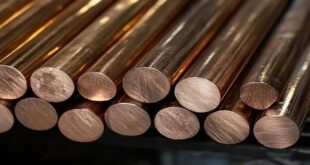

India has dispatched a team of geologists to Zambia to assess copper and cobalt deposits, a strategic move aimed at securing a stable supply of key minerals essential for its energy transition goals. The initiative underscores India’s accelerating efforts to forge government-to-government agreements for raw materials amid tightening global markets.
The Zambian government has allocated a 9,000 square-kilometer area to India for a three-year exploration project, according to two Indian government sources familiar with the plan. The focus will be on cobalt, a vital component for electric vehicle batteries and mobile phones, and copper, a cornerstone of the electronics, construction, and power generation sectors.
This development comes as India grapples with increasing import dependency. The country’s copper imports surged to 1.2 million metric tons in the fiscal year ending March 2025, a 4% increase year-on-year. This rise is partly attributed to the 2018 closure of Vedanta’s Sterlite Copper smelter. Meanwhile, cobalt oxide imports climbed 20% to 693 metric tons in 2024/25, highlighting India’s almost total reliance on foreign supply for the metal.
The exploration team, which will conduct most of its analysis in Indian laboratories, is expected to make multiple trips to the region. Following the assessment, the Indian government plans to seek a mining lease from Zambia and may open the door for private-sector participation.
The move in Zambia is part of a broader strategy by New Delhi to secure critical mineral resources from resource-rich nations. India has been in discussions with several African countries and is also exploring opportunities in Australia and Latin America. In March, it was reported to be negotiating an initial agreement with the Democratic Republic of Congo for cobalt and copper supplies, with an Indian delegation having recently toured mines in the country.
This renewed push reflects India’s growing vulnerability to global supply chain pressures and its determination to build a domestic industrial base for electric vehicles and renewable energy. Securing these assets is seen as crucial for the country’s long-term economic and strategic interests.