Zambian Mining News The Premium Source of Information on The Zambian Mining Industry



Related Articles


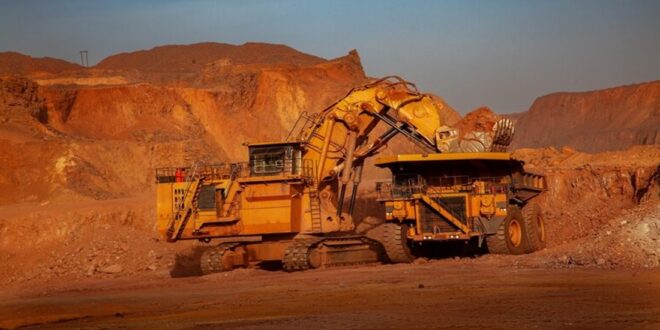
A mining resurgence is gathering pace in Zambia, driven by copper and surging global demand for energy transition minerals. Beneath the optimism lies a structural fault line of a widening skills gap that could either stall the boom or redefine it.
“Zambia is experiencing rapid growth in mining, driven predominantly by copper but also increasing interest in minerals critical to the energy transition.The country’s talent pipeline is lagging dangerously behind this expansion,” explained Jimmy Samuels, Growth Executive for the Middle East and Africa at Workforce Staffing Africa. New mining licences across the Copperbelt, alongside expansion and modernisation projects, have triggered a surge in demand for skilled labour. From diesel mechanics and riggers to geotechnical engineers and project managers, the shortage cuts across the entire value chain.
The result is a tightening labour market where experienced professionals are scarce, wages are rising and competition for talent is intensifying. The issue is not simply about hiring more people but it is about timing, planning and strategy. Samuel noted, “The challenge is not just recruitment but workforce development across the project lifecycle.” Too often, mining companies engage too late, relying on reactive hiring models that cannot keep up with the pace of project development. This disconnect is particularly stark given the long lead times in mining.
Projects typically take at least 18 months from licensing to production, offering a critical window to build a skilled workforce. Yet, without early planning, this window closes quickly, leaving operators scrambling to fill roles at a premium. The skills deficit spans operational, technical and leadership levels. Artisans and equipment operators are in short supply, as are compliance professionals in health, safety and environmental management. At the same time, Zambia faces a shortage of experienced supervisors, project managers and procurement specialists capable of navigating large-scale mining operations.
More concerning is the gap in future-facing skills. As mines modernise, demand is growing for expertise in automation, remote operations, high-voltage systems and data analytics areas where local capacity remains limited. Without intervention, this could lock Zambia out of the next phase of mining evolution. In the short term, expatriate expertise may be unavoidable. However, Samuels argues that importing skills is not a sustainable solution. Instead, it should be leveraged as a bridge, embedding structured skills transfer programmes that build local capacity over time.He said, “The focus must be on developing in-country talent by positioning knowledge transfer as the cornerstone of long-term resilience.”
This is where workforce partnerships become critical. By aligning hiring with project timelines, managing mobilisation and embedding training pathways, specialised workforce providers can help mining companies stabilise operations while nurturing local talent. It is a dual approach: meeting immediate needs while investing in future capability. Zambia’s ambitions to scale up copper production by 2031 hinge on getting this balance right. The country stands at a crossroads where its mineral wealth offers immense opportunity but only if matched by human capital.
“The sooner workforce planning starts, the easier it is to secure the right skills and integrate local workers into projects early enough to gain meaningful experience,” concluded Samuels. In this sense, Zambia’s skills shortage is not merely a constraint, it is a test. If addressed strategically, it could transform the country’s mining sector into a model of sustainable, inclusive growth. If ignored, it risks becoming the bottleneck that holds the entire industry back.