Zambian Mining News The Premium Source of Information on The Zambian Mining Industry



Related Articles

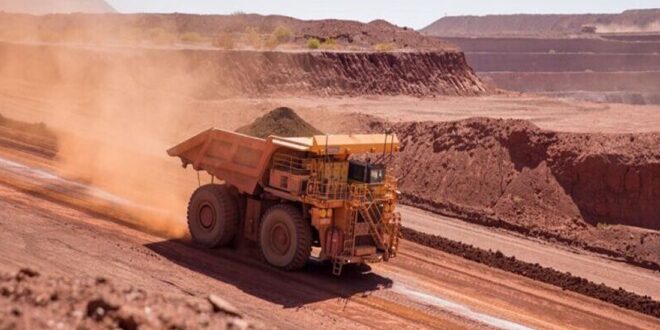
Zambia’s Copperbelt is firmly back in business. A rebound in mining activity and renewed investment momentum are once again positioning the province as one of Africa’s most compelling resource destinations.
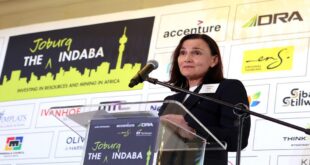
Addressing stakeholders at the Team Sweden Mining Indaba Cocktail Reception during the African Mining Indaba side event, Copperbelt Provincial Minister Elisha Matambo confirmed that two major operations, Mupane Mine and Konkola Copper Mines (KCM) are fully operational and producing copper, marking a decisive turnaround for a sector that once underpinned Zambia’s economy. Beyond copper, the country continues to produce emeralds, gold and other minerals, with ongoing exploration expected to unlock further discoveries.
“The mining sector is back to life. Growth is no longer a promise, it is imminent. Anyone who invests in Zambia today will never go wrong,” said Matambo. He attributed the renewed confidence to Zambia’s political stability, policy consistency and investor-friendly leadership under President Hakainde Hichilema. The country’s mining policy has shifted decisively toward a private-sector-led model, supported by streamlined licensing processes, competitive tax incentives and a regulatory framework designed to foster a dynamic and competitive market.
“Zambia offers stability, a conducive investment climate and predictable policies, this is what serious investors look for. We are building partnerships that complement each other and deliver shared value, ” noted Matambo. Skills development and local participation form a central pillar of the government’s strategy. Through a constituency-based training programme, K40 million has been allocated per constituency to equip young people with skills aligned to mining and related industries, ensuring communities benefit directly from mineral wealth.
Matambo said, “All minerals have been discovered, and even more will be revealed through ongoing exploration. We will continue to improve skills and education in mining communities to support beneficiation.” The government is actively seeking joint ventures and strategic partnerships, with a strong emphasis on value addition. Zambia aims to move beyond exporting raw materials by processing minerals locally therefore creating jobs, strengthening supply chains and translating resource wealth into inclusive prosperity.
“We must ask ourselves what legacy Africa’s mineral wealth will leave behind. Will it be squandered, or will it transform the livelihoods of our communities?” said Matambo. Supporting this ambition is a strengthening macroeconomic outlook. The Minister highlighted improving exchange-rate performance and major infrastructure investments, including upgraded road networks to mining areas, the Lusaka–Copperbelt dual carriageway, modernised border posts such as Kasumbalesa, and new state-of-the-art hospitals serving mining communities.
Education, described as “the great equaliser by the President” has also been prioritised, with free education reinstated since President Hichilema took office, reinforcing the long-term foundation for industrial growth. “Our goal is clear: to unlock Zambia’s mineral wealth, process it locally and ensure it delivers inclusive prosperity for all,” said Matambo. The Minister also acknowledged the continued support of the Swedish government, expressing appreciation for its longstanding partnership in Zambia’s development journey.
With production rising, reforms gaining traction and infrastructure expanding, Zambia’s Copperbelt is once again asserting itself, not only as a mining powerhouse but as a model for how Africa can turn mineral wealth into lasting economic transformation.