Zambian Mining News The Premium Source of Information on The Zambian Mining Industry



Related Articles

Zambia’s investment story has moved beyond the immediate recovery from its 2020 sovereign default. The 2026/27 RMB Where to Invest in Africa report points to a more demanding next phase, in which the question is whether stronger copper prospects, reform momentum and improved macroeconomic conditions can be turned into a durable investment case. The country’s path across the three editions of the updated model shows the direction of travel. Zambia improved sharply in the previous edition as debt restructuring progressed, market access returned and copper output strengthened, before easing to 17th place in 2026/27. The shift signals that recovery has advanced, though it does not mean the structural challenges have been resolved.
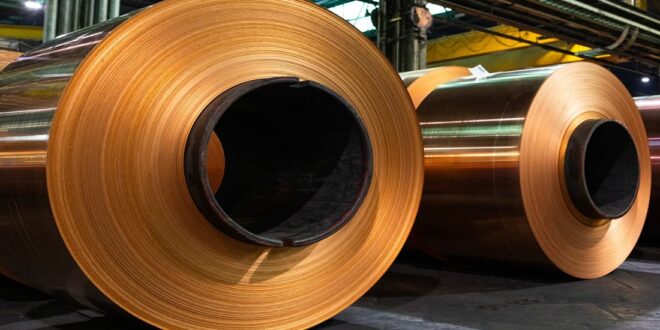
Copper is central to the opportunity. Firm demand, rising output and the reopening and expansion of key assets can support growth, exports and investment. Yet reliance on a single metal leaves progress exposed to commodity cycles, which makes resilience as important as the pace of recovery. “Zambia’s recovery from its 2020 sovereign default is one of the continent’s most notable recent turnarounds. Completing the external debt restructuring helped secure the first credit-rating improvement in six years and restore market access, while copper output strengthened. These gains supported Zambia’s earlier rise in the rankings, although its position has since eased, underlining that the next phase will depend on the durability of reform and recovery,” said Isaah Mhlanga, Chief Economist at RMB.
The report’s assessment therefore turns on a practical question for investors. Is Zambia simply emerging from a period of distress, or is it building the policy credibility, institutional capacity and economic buffers needed to sustain opportunity through the next downturn? Viewed across 2024/25, 2025/26 and 2026/27, the ranking path describes a country moving out of repair after the default and into a period in which delivery matters more. The earlier improvement captured progress on debt restructuring, stronger copper production and structural reform. The subsequent easing shows that maintaining momentum, rather than the ranking itself, will decide whether the recovery becomes a sustained investment proposition.
The Resilience and Vulnerability Matrix adds a second lens. It considers how well an economy can withstand and recover from shocks, alongside the structural exposures that can weaken that capacity. It also tests whether recent gains rest on foundations strong enough to endure pressure. The report finds that environmental management is the country’s strongest resilience pillar and social development its weakest. That uneven profile matters, because stronger headline conditions do not automatically translate into broad or lasting resilience.
“The ranking captures improving investment conditions, but resilience determines how much of that progress can be retained when conditions weaken. For Zambia, the key test is whether policy credibility and reform can reduce the economy’s exposure to the next commodity or financing shock,” noted Mhlanga. Copper’s role in the global energy transition gives Zambia a significant growth opportunity. The reopening and expansion of the Konkola and Mopani assets support the ambition to lift production above one million tonnes in 2026, and higher output can reinforce export earnings and investor interest if operational improvements hold. Copper strength alone, however, does not make Zambia a more resilient destination. A concentrated export base means that prices, production disruptions and shifts in global demand can quickly affect fiscal and external conditions, so the opportunity must be matched by continued reform and a stronger capacity to manage volatility.
Zambia’s macroeconomic rehabilitation is meaningful but it remains exposed to copper prices and to whether reform momentum survives an electoral transition. A higher ranking does not guarantee investment performance, just as a lower position does not erase progress already made. The value of the three year comparison lies in showing how quickly reform gains can strengthen an investment case and how carefully they must be protected. “Zambia now has an opportunity to consolidate the gains made since the default. Stronger copper prospects can support growth, but sustained policy credibility, continued reform and improved shock-absorption capacity will determine whether the investment case becomes more durable,” concluded Mhlanga.