Zambian Mining News The Premium Source of Information on The Zambian Mining Industry



Related Articles



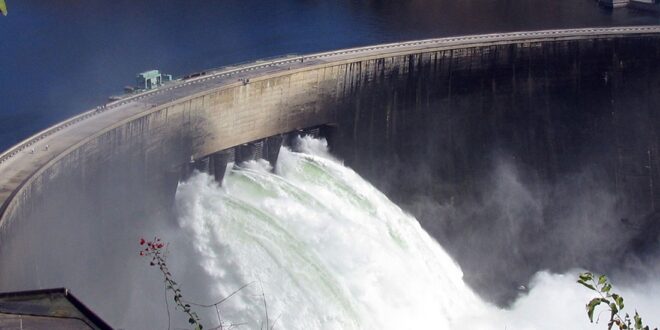
A quiet revolution is underway in Zambia, a nation historically grappling with power deficits, as the state-owned Zambia Electricity Supply Corporation Limited (ZESCO) embarks on an ambitious journey to transform the country into the energy heartbeat of the African continent. This monumental shift, highlighted at the recent Invest Zambia International Conference (IZIC), signals a dramatic turnaround for a nation that has, in recent years, faced persistent power challenges, even as massive rehabilitation works continue at the iconic Kariba Dam.
“These projects are not just about expanding infrastructure,” declared Hilner Mulapani, Project Manager for the Zambia–Tanzania Interconnector, his voice resonating with conviction. “They’re about positioning Zambia as the energy heartbeat of the region, building resilience, attracting foreign direct investment, and powering a connected, industrialized Africa.”
Indeed, ZESCO’s vision extends far beyond merely illuminating homes. “We are powering trade, powering growth, and powering Africa,” Mulapani asserted, painting a vivid picture of a future where Zambia fuels the continent’s economic engine.
At the forefront of this transformative agenda are several groundbreaking power infrastructure projects:
- The Zambia–Tanzania Interconnector Project: This pivotal initiative will not only connect Zambia to the Eastern Africa Power Pool but also forge a crucial link between the Southern African Power Pool and countries as far north as Libya, spanning Tanzania, Kenya, Ethiopia, and Egypt. It’s a strategic move that promises to unlock unprecedented energy trade channels across the continent.
- Regional Interconnectors from Chipata: Originating from Chipata in the Eastern Province, the Zambia–Mozambique and Zambia–Malawi Interconnectors are set to redefine regional energy dynamics. The Mozambique line, being implemented under a memorandum of understanding (MoU), will foster new trade avenues, while the Malawi interconnector will seamlessly integrate Zambia’s grid with Malawi’s, bolstering energy security and facilitating cross-border power exchange.
- The Solwezi–Kolwezi Cross-Border Project: Designed to significantly boost power flow between Zambia and the Democratic Republic of Congo (DRC), this project is strategically aimed at serving the high-demand mining corridors and industrial operations that are critical to both economies.
- The Zambia–Angola Interconnector: With an MoU already signed, this forthcoming line will connect Zambia to Angola’s grid, further solidifying regional energy integration.
- Internal Transmission Upgrades: Crucial for domestic energy security and expansion, projects like the Pensulo–Mansa and Lusaka West–Kabwe–Kasama–Mporokoso Lines are designed to support the evacuation of power from hydro sources in Luapula Province. These upgrades will also enable the seamless integration of Independent Power Producers (IPPs) in Northern Zambia, including the eagerly anticipated Lufubu Hydro Project.
- Diversifying the Energy Mix: The Kafue West–Muzuma and Muzuma–Nambala lines are vital for harnessing the coal-based generation potential from Maamba, significantly increasing the resilience and diversification of Zambia’s energy mix.
Beyond these colossal infrastructure undertakings, ZESCO is also vigorously expanding its renewable energy footprint. This includes the development of a 100MW solar plant in Chisamba and a 50MW solar project, underscoring Zambia’s commitment to a sustainable and diversified energy future.
As Zambia stands on the precipice of becoming a regional power hub, the ripple effects are expected to be far-reaching, attracting foreign direct investment, fostering industrial growth, and ultimately, powering a more connected and prosperous Africa. The era of power challenges may soon be a distant memory, replaced by the hum of progress, powered by Zambia.